
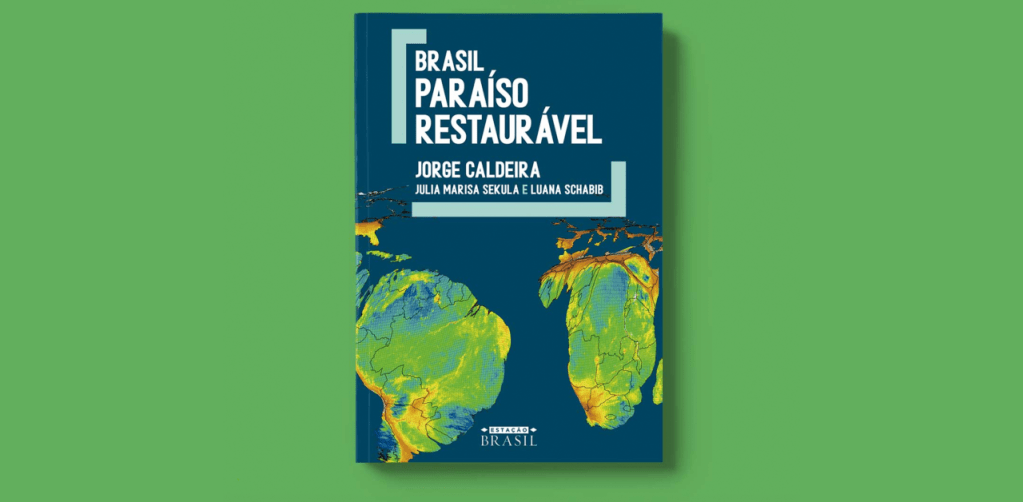
Jabuti Prize Finalist | Co-author of a book that frames ecological restoration as a crucial path for a carbon-neutral economy — with Brazil as a leading force in this new paradigm, where preserved nature is at the center of economic value creation.
The book offers a historical review of humanity’s relationship with nature (with a strong focus on Indigenous peoples) to discuss the future economy. It highlights successful international examples — cities and countries shifting to renewable energy sources that not only empower communities but reshape entire markets.
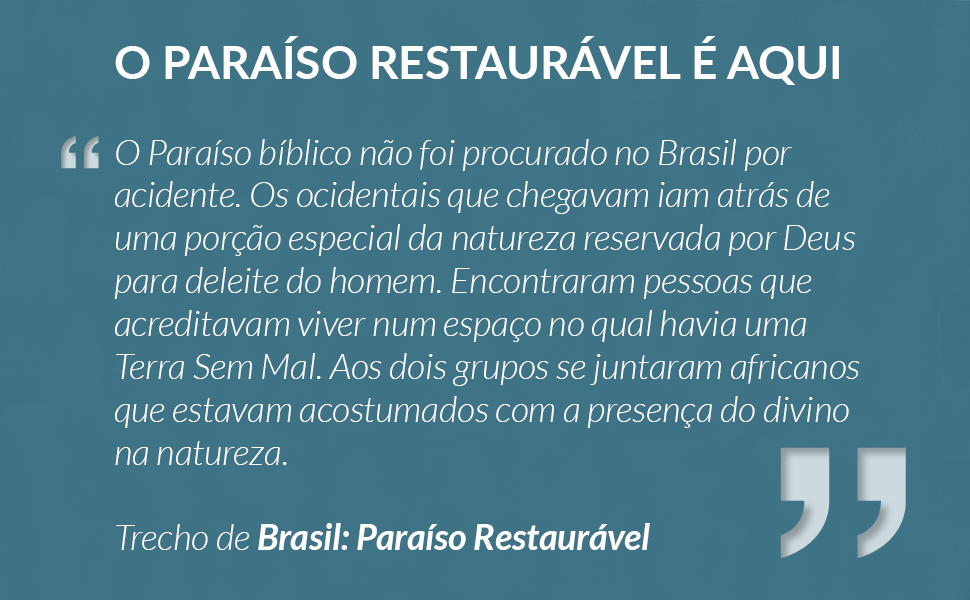
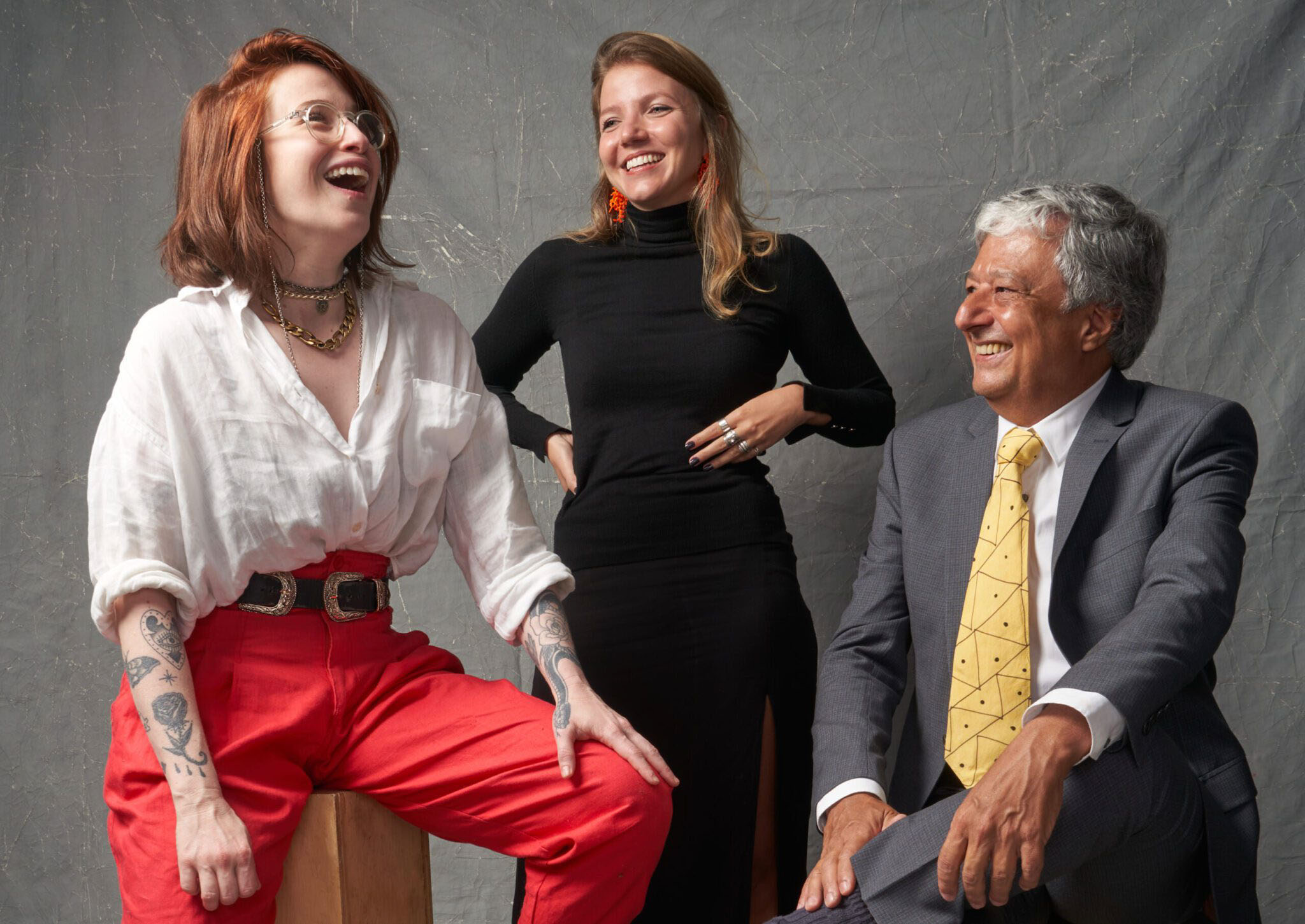
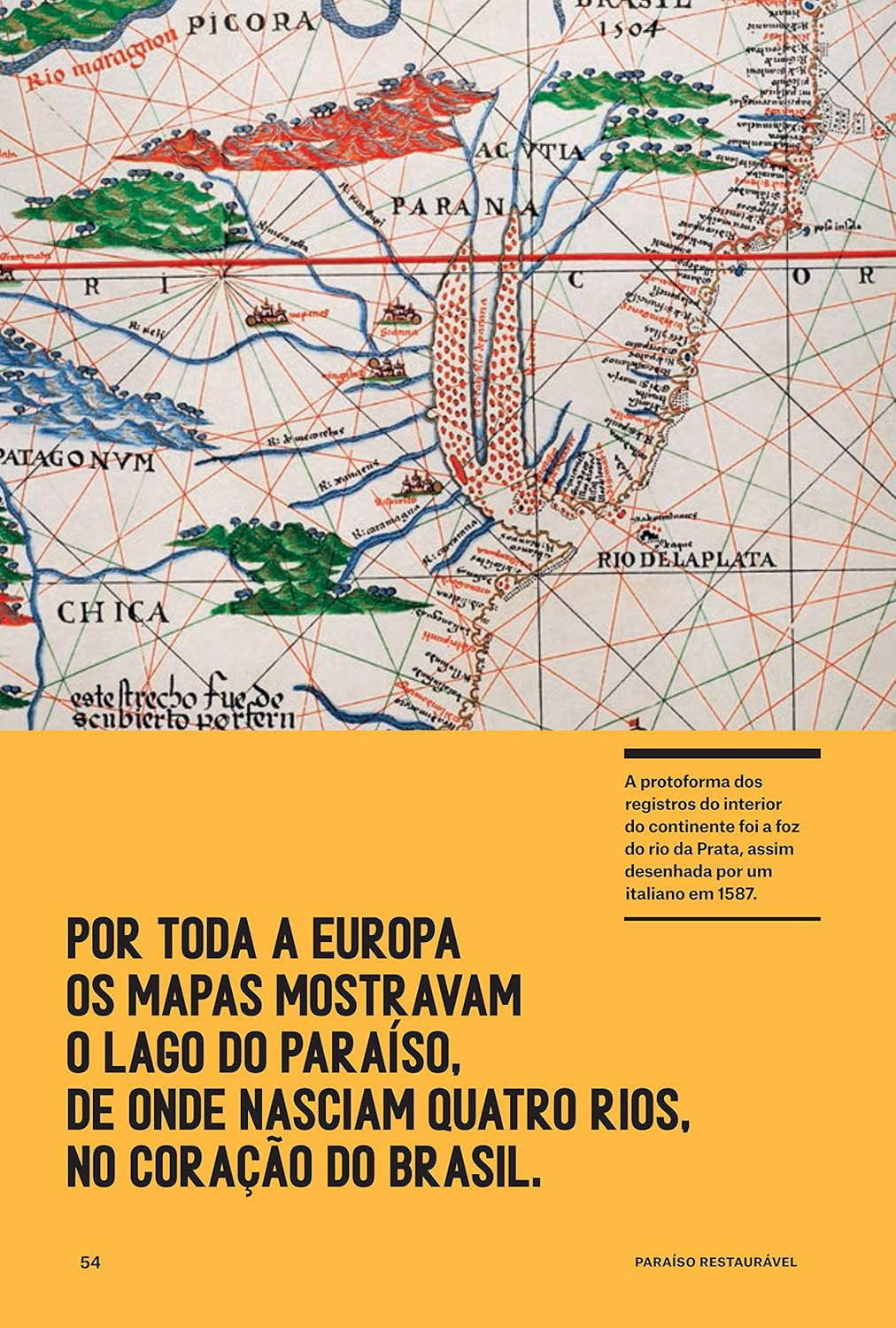
Writing this book was an incredible challenge. I co-authored it with historian Jorge Caldeira — a longtime friend and colleague from Revista Brasileiros. We often agree to disagree, always with mutual respect and a shared belief in humanity, dialogue, and democracy. We were introduced to the map on the book’s cover by economist Julia Sekula, a brilliant mind of the new generation with a unique worldview that transcends traditional finance circles.
I was invited to help narrate a shift in the economic paradigm. Both Adam Smith and Karl Marx saw nature as an inexhaustible resource. This book dares to propose a new lens in a moment of urgent environmental crisis. A moment marked by a rise in conservatism — perhaps as a backlash against the inevitable transformations underway.
We gathered powerful data and stories that show the world moving toward a low-carbon economy. Clean energy is becoming the norm. Markets are evolving. Oil and gas giants are losing value, while renewable tech surges. Change is happening.
Julia’s map points to Brazil’s immense — and underused — economic asset: nature itself.

In the first chapters, we explore history through a sophisticated technology: the Indigenous worldview. A clear message emerges — development that ignores nature is not development at all. We also explore another vital force: the feminine. Recently, Sônia Guajajara said: “Ancestrality has always taught us that the meaning of life is the collective.” The book delves into this perspective through philosophy, history, and psychoanalysis — showing how capitalism often relies on oppressive mechanisms. It’s an ode to the feminine as a way out of outdated paradigms.
The book also explores global case studies — Germany, India, the US — showing how decarbonization targets and individual renewable initiatives are already shaping the future.

Then, we turn to Brazil — a country with unique energy potential. Talking about conservation, clean energy, and low-carbon economies today is also about defending democracy. It’s about understanding how recent democratic governments in Brazil fostered innovation and created the foundations of this emerging market.
Initially, we planned to explore the Pantanal biome through this lens. That land has long been portrayed as paradise — the meeting point of four rivers. I visited in 2019, when 85% of the biome was still intact. In 2020, wildfires destroyed 12% of the biome in just eight months, burning 19% of its vegetation. Meanwhile, Brazil’s Ministry of Environment spent less than 1% of its annual budget. This is not neglect — it is ecocide.


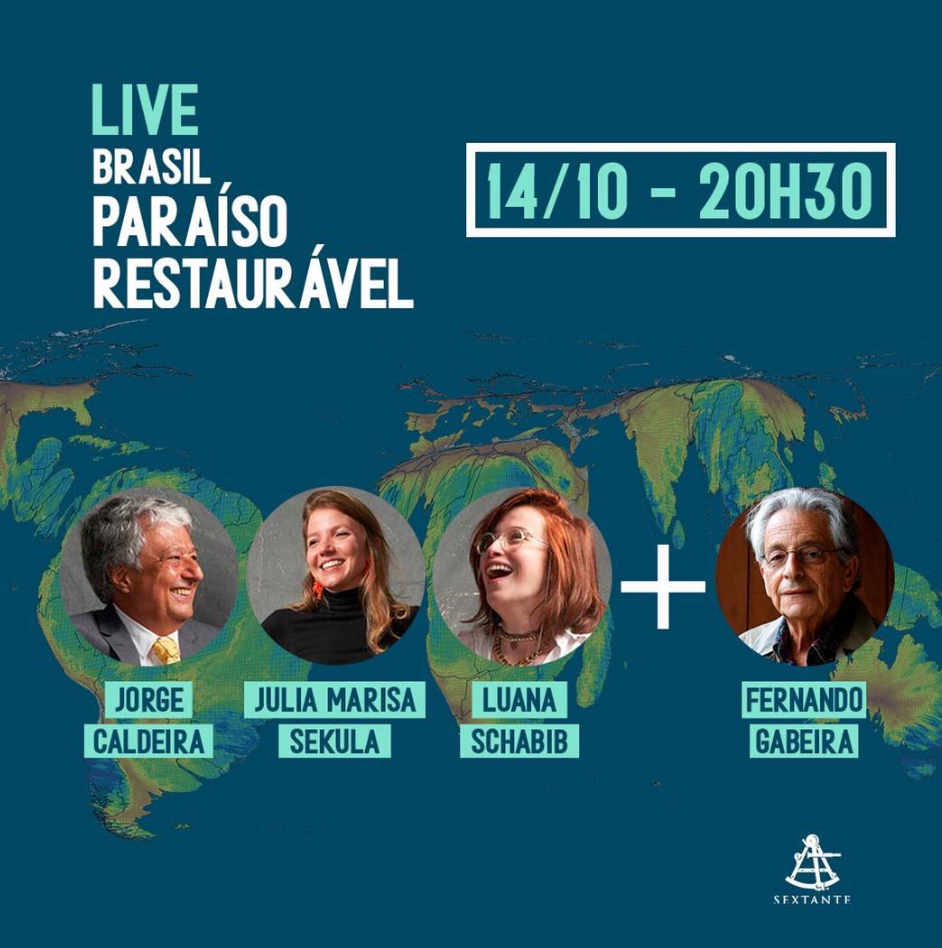
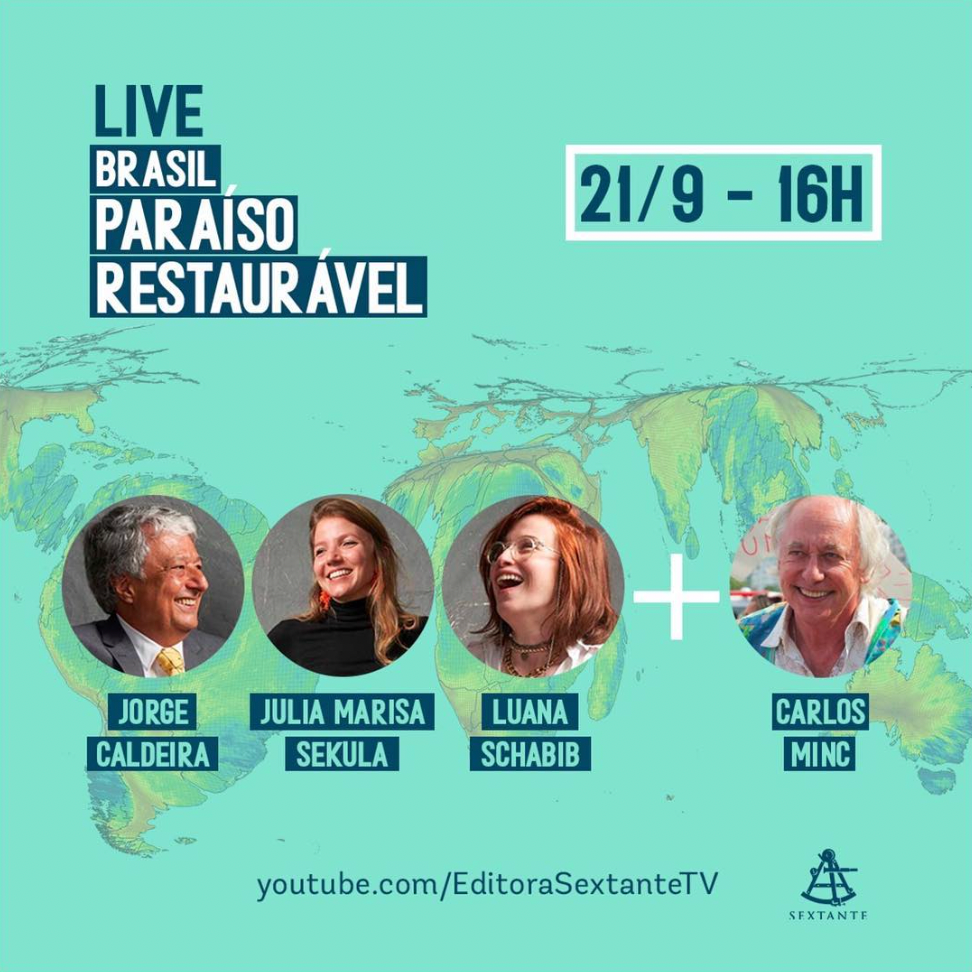
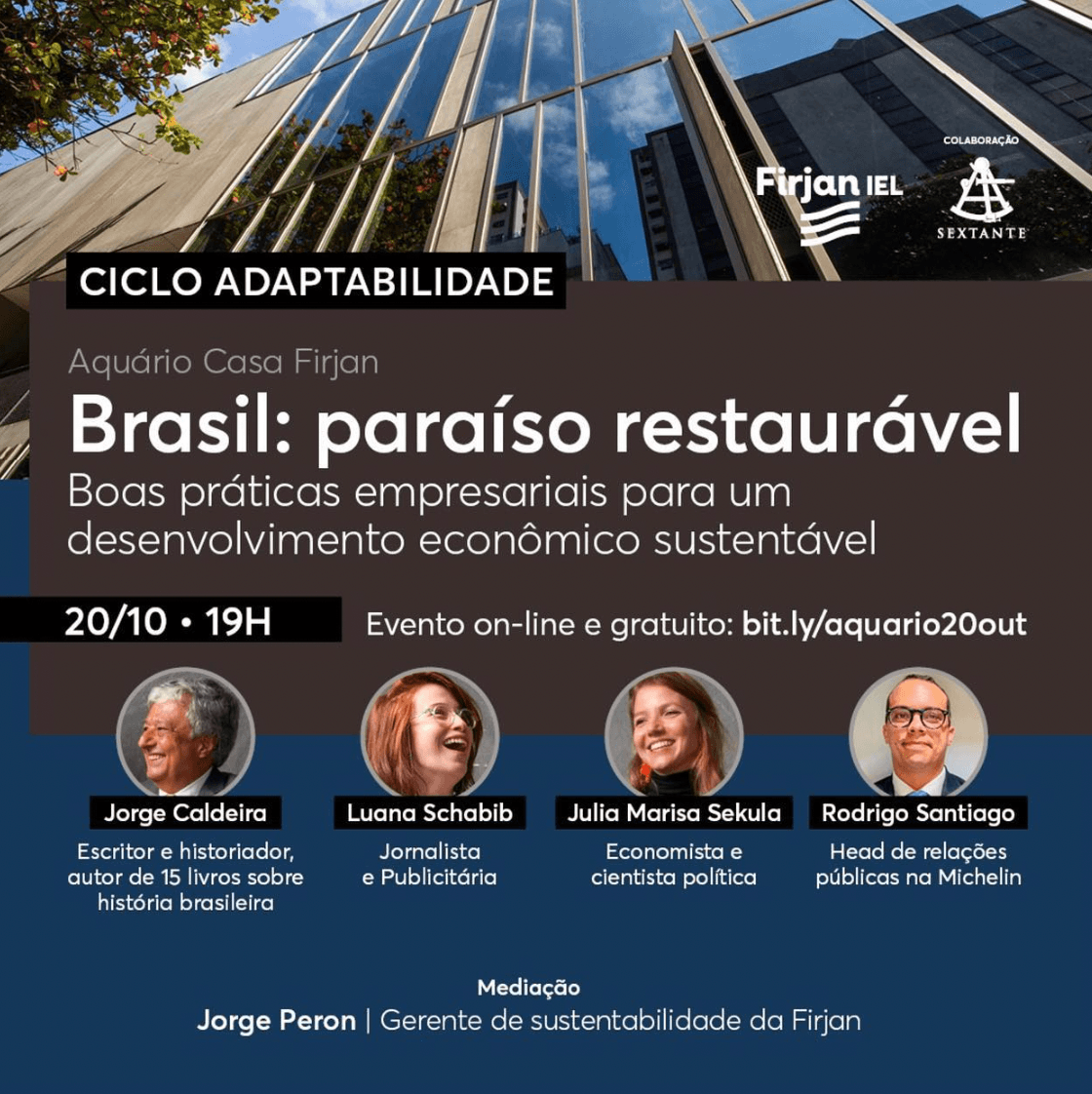
This book calls for a return to the understanding that land and humanity are not separate. That’s Indigenous knowledge — a great technology. It’s the only possible path to post-COVID development: embedding nature into government goals and plans, supporting individual initiatives, recognizing local leaders, and encouraging open dialogue. Because the stakes are high.
Yuval Noah Harari said it well in El País during the early pandemic days: the true antidote to a pandemic is cooperation. In the Pantanal, we interviewed more than 40 people. We were set to finalize the book in March 2020, but COVID paused everything.
This book joins countless voices in defending democracy as the foundation of any future worth building. A future that requires conservation at its core. And to speak of nature, we must honor history, ancestry, Indigenous knowledge, and the feminine. And yes, we must reclaim politics — because without it, no meaningful change will come.
 Lua Schabib @ 2025
Deixe um comentário